
The food industry in Mexico includes farming, food processing, packaging, distribution, and exports. It plays an important role in the country’s economy. It also provides fresh and processed food to millions of people around the world.
Mexico is known for more than just delicious tacos and fresh avocados. Its food industry is growing fast and creating new business opportunities every year. If you want to learn how this industry works, this guide is the perfect place to start.
In this article, you will discover the main sectors, popular products, market trends, and future opportunities in the food industry in Mexico. You will also learn why it is becoming one of the strongest food markets in the world.
Quick Overview
Mexico has one of the largest food industries in Latin America. It produces fresh fruits, vegetables, grains, meat, and many processed foods. The industry supports both local markets and international trade.
The country is also a major exporter of products like avocados, tomatoes, berries, and beverages. Strong farming, modern factories, and efficient supply chains help the industry grow. As a result, food businesses continue to expand every year.
Today, the food sector creates millions of jobs and contributes greatly to Mexico’s economy. It also continues to adopt new technology and better production methods. Therefore, the industry remains competitive in the global market.
Why Mexico Is a Global Food Leader
Mexico has rich farmland, a favorable climate, and a long farming tradition. As a result, farmers grow high-quality crops throughout the year. These strengths make the country a trusted food supplier worldwide.
In addition, Mexico exports avocados, tomatoes, berries, peppers, and beverages to many countries. Modern production methods and strong trade partnerships support this success. Therefore, the industry continues to grow and reach new international markets.
Moreover, businesses invest in innovation, food safety, and sustainable farming to improve quality. These efforts build customer trust and increase global demand. Because of this, Mexico remains one of the world’s leading food producers and exporters.
Food Industry in Mexico
The food industry in Mexico is one of the country’s strongest economic sectors. It connects farmers, manufacturers, and retailers across the supply chain. As a result, fresh and processed foods reach local and global markets.
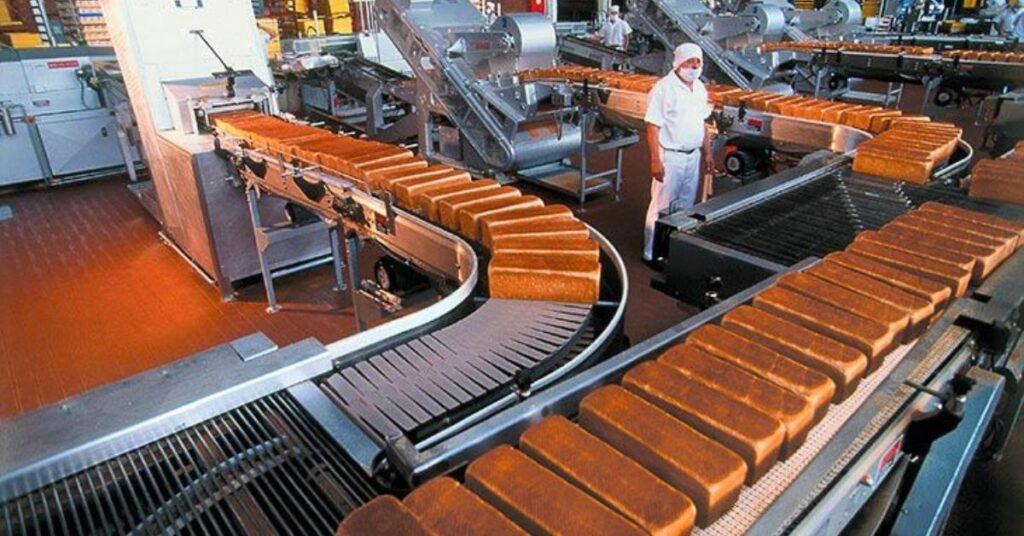
The industry produces fruits, vegetables, meat, dairy, seafood, and packaged foods. In addition, many companies use modern technology to improve quality and efficiency. This helps them meet international standards.
Today, the food industry in Mexico continues to grow every year. It creates jobs, supports exports, and attracts new investment. Therefore, it plays a key role in the country’s future development.
Major Sectors of the Industry
The food industry includes several important sectors that work together every day. Each sector has a unique role in producing, processing, and delivering food. Together, they keep the supply chain strong and efficient.
From farms to food factories and distribution centers, every step adds value. In addition, modern technology helps improve quality and reduce waste. This creates better products for both local and global customers.
Below, you will explore the main sectors that drive the industry forward. Each one supports economic growth and helps Mexico remain a leading food producer. Understanding these sectors makes it easier to see how the entire industry works.
Agriculture and Farming
Agriculture and farming form the foundation of Mexico’s food industry. Farmers grow fresh crops and raise livestock across the country. Their work supplies food for both local families and global markets.
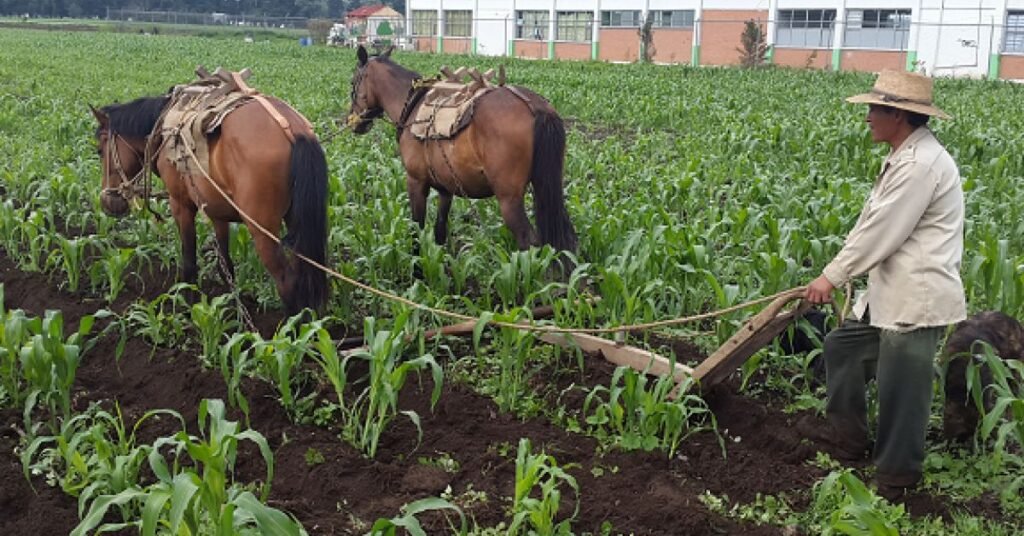
Mexico produces avocados, tomatoes, corn, berries, peppers, and citrus fruits in large amounts. Favorable weather and fertile land support high-quality harvests. As a result, many products are exported worldwide.
Today, farmers also use modern equipment and better growing methods to increase production. In addition, sustainable farming practices help protect natural resources. These efforts support long-term growth and better food quality.
Food Processing
Food processing turns fresh ingredients into safe and ready-to-use products. Companies clean, prepare, cook, and package food to improve quality. As a result, products stay fresh for longer and reach more customers.
Moreover, modern factories follow strict quality standards and use advanced technology. Therefore, they produce consistent products for local stores and export markets.
Key activities in food processing include:
- Cleaning and sorting raw ingredients.
- Cooking and preserving food safely.
- Packaging products for longer shelf life.
- Quality testing before products reach the market.
- Cold storage and safe transportation.
Beverage Production
Beverage production is an important part of Mexico’s food industry. Companies produce a wide range of drinks for local customers and international markets. These products support both the economy and exports.
Mexico is known for fruit juices, soft drinks, bottled water, coffee, and traditional beverages. Many producers use fresh local ingredients to create high-quality drinks. As a result, these products are popular around the world.
Today, beverage companies focus on quality, safety, and innovation. They also introduce healthier drink options to meet changing customer needs. Therefore, the sector continues to grow and attract new opportunities.
Food Packaging and Distribution
Food packaging and distribution keep products fresh, safe, and ready for customers. Companies use strong packaging to protect food during storage and transport. As a result, food reaches markets in excellent condition.
Moreover, efficient distribution networks move products quickly across Mexico and to international buyers. Businesses use modern logistics and cold-chain systems to maintain quality. Therefore, customers receive fresh food on time while companies reduce waste.
Top Food Products Mexico Exports
Mexico exports many high-quality food products to countries around the world. These products are known for their freshness, taste, and consistent quality. As a result, global demand continues to grow every year.
Mexico’s leading food exports include:
➤ Avocados – A top export with strong demand in North America, Europe, and Asia.
➤ Tomatoes – Fresh, flavorful, and supplied throughout the year.
➤ Berries – Including strawberries, blueberries, raspberries, and blackberries.
➤ Peppers – Popular for their quality and wide variety.
➤ Beer and Tequila – Famous Mexican beverages enjoyed in global markets.
➤ Citrus Fruits – such as limes and oranges with excellent export value.
➤ Beef and Pork – Processed under strict quality and safety standards.
➤ Processed Foods – Including sauces, snacks, canned foods, and bakery products.
Market Size and Economic Impact
The food industry is one of Mexico’s largest economic sectors. It generates billions of dollars each year and supports businesses of every size. As a result, it plays a major role in the country’s economic growth.
Moreover, the industry creates millions of jobs in farming, manufacturing, transportation, and retail. It also strengthens exports and attracts new investment. Therefore, the food sector continues to support Mexico’s long-term development.
Latest Trends and Innovations
The food industry in Mexico is changing with the needs of today’s customers. Many companies now use smart machines and better production methods. This helps them save time and improve food quality.
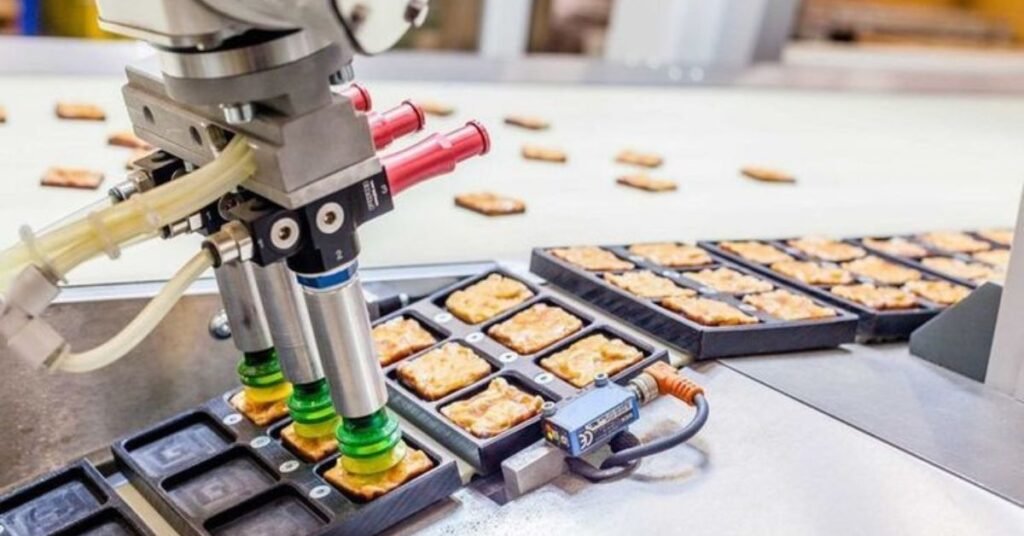
People also look for healthy, fresh, and natural food more than ever. Because of this, businesses are adding organic products, plant-based foods, and eco-friendly packaging. These small changes make a big difference.
At the same time, companies focus on food safety and faster delivery. They use simple technology to track products and reduce waste. As a result, customers enjoy better food, and businesses continue to grow with confidence.
Challenges Facing the Industry
The food industry in Mexico continues to grow, but it also faces several challenges. Rising production costs, changing weather, and supply chain delays affect many businesses. Therefore, companies must adapt quickly to stay competitive.
Even so, many businesses overcome these problems through better planning and innovation. They improve efficiency, invest in modern technology, and follow strong quality standards.
- Rising costs of raw materials and transportation.
- Climate change affecting crop production.
- Supply chain disruptions and delivery delays.
- Increasing food safety and quality requirements.
- Labor shortages in some regions.
- Strong competition in local and global markets.
Business Opportunities for Investors
Mexico offers many business opportunities in the food sector. Growing demand and strong exports attract both local and international investors. As a result, the market continues to expand.
Many businesses invest in food processing, packaging, cold storage, and logistics. These areas support the entire supply chain and create long-term value. Therefore, they remain attractive investment choices.
In addition, the demand for healthy foods, organic products, and sustainable packaging keeps increasing. Companies that focus on quality and innovation can reach more customers. This creates new opportunities for steady business growth.
Food Safety and Quality Standards
Food safety is a top priority in Mexico’s food industry. Companies follow strict rules to keep food clean, fresh, and safe. This helps protect consumers and build trust.
Producers check ingredients, monitor production, and test products before they reach the market. They also use proper packaging and storage to maintain quality. As a result, customers receive safe and reliable food.
Many food businesses continue to improve their quality systems every year. They train workers, use modern equipment, and follow international standards. Therefore, Mexican food products remain competitive in global markets.
Mexico Food Industry Comparison Table
The table below highlights the main sectors of Mexico’s food industry. It shows their key products and their role in the market. This makes it easier to understand how each sector supports the industry.
Although every sector has a different purpose, they work together to strengthen the food supply chain. As a result, Mexico continues to grow as a leading food producer and exporter.
| Sector | Main Products | Key Contribution |
| Agriculture | Avocados, tomatoes, corn, berries | Produces fresh raw materials |
| Food Processing | Packaged foods, sauces, canned products | Adds value and extends shelf life |
| Beverage Production | Juices, coffee, bottled water, soft drinks | Supports exports and local demand |
| Packaging & Distribution | Packaged food and logistics | Protects products and ensures safe delivery |
| Export Market | Fresh and processed foods | Expands global trade and economic growth |
Future Growth and Opportunities
The future of Mexico’s food industry looks bright and promising. Demand for high-quality food continues to grow in local and global markets. Therefore, businesses have more opportunities to expand.
In addition, companies are investing in modern technology, sustainable farming, and better food processing. These improvements increase efficiency and reduce waste. As a result, the industry becomes stronger every year.
Moreover, consumers are choosing healthy, organic, and eco-friendly products more often. Businesses that adapt to these trends can reach new customers and grow faster. Consequently, Mexico is well positioned for long-term success in the global food market.
Final Thoughts
Mexico’s food industry continues to grow through innovation, quality, and strong global demand. It supports millions of jobs and delivers a wide range of products to markets around the world. Its steady progress makes it an important part of the country’s economy.
Whether you are a student, business owner, or investor, learning about this industry can be valuable. As the market continues to evolve, new opportunities will continue to appear. Staying informed will help you understand its future potential.