
High protein pancakes are a tasty breakfast made with protein-rich ingredients. They are soft, filling, and easy to prepare at home.
A busy morning does not mean you need to skip a healthy breakfast. With a few simple ingredients, you can enjoy warm pancakes in just 15 minutes.
In this guide, you will learn how to make high protein pancakes with simple steps and everyday ingredients. You will also find helpful tips for better texture, flavor, and easy serving ideas.
What Are High Protein Pancakes?
High protein pancakes are a breakfast option made with protein-rich ingredients. They offer more protein than traditional pancakes while still being soft and tasty.
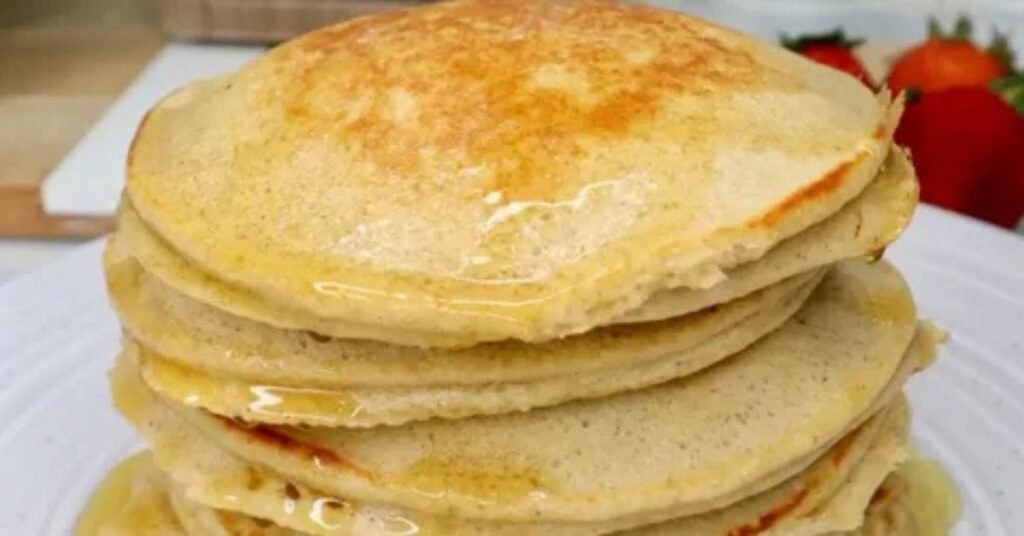
Common ingredients include eggs, Greek yogurt, cottage cheese, oats, and protein powder. These ingredients can also add flavor, texture, and useful nutrients.
They are easy to prepare and work well for busy mornings. You can serve them with fresh fruit, yogurt, nut butter, or other healthy toppings.
Why Choose a Protein-Rich Breakfast?
A protein-rich breakfast can help you start the day with a satisfying meal. High protein pancakes combine protein with other simple ingredients for a balanced breakfast.
Protein also helps support muscles and keeps meals more filling. Therefore, choosing a protein-rich option can make it easier to stay satisfied between meals.
You can also adjust the recipe to match your needs and taste. Add fresh fruit, Greek yogurt, or nuts to make your high protein pancakes more enjoyable and nutritious.
Key Ingredients for Better Pancakes
The right ingredients can make your pancakes soft, flavorful, and filling. Choose simple foods that add protein, texture, and natural flavor without making the recipe complicated.
- Eggs: Add protein and help bind the batter.
- Greek yogurt: Makes pancakes soft and adds extra protein.
- Oats: Provide fiber and a hearty texture.
- Protein powder: Boosts the protein content.
- Banana: Adds natural sweetness and moisture.
- Milk: Helps create a smooth, easy-to-pour batter.
How to Make High Protein Pancakes
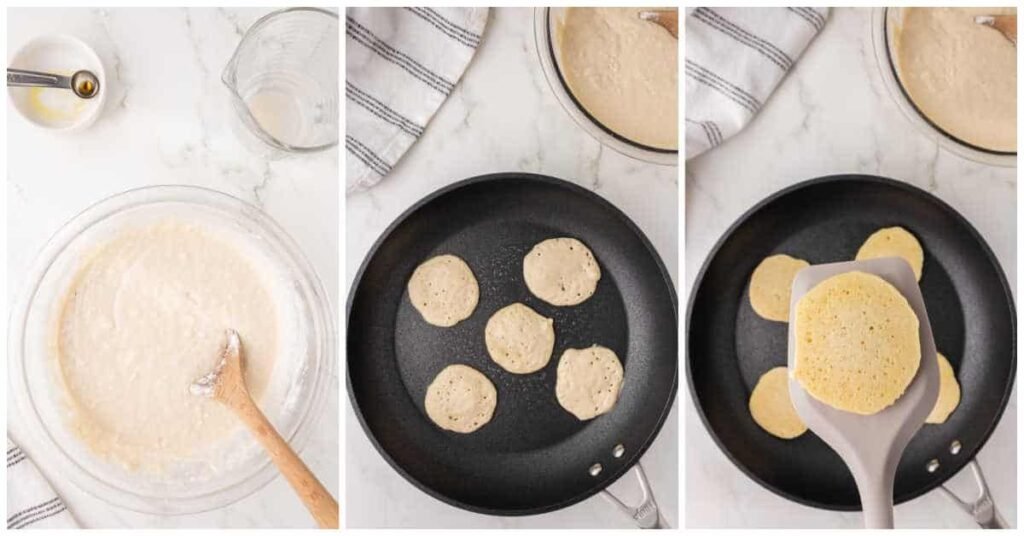
Start by adding eggs, Greek yogurt, oats, protein powder, and milk to a bowl. Mix everything well until the batter becomes smooth and slightly thick.
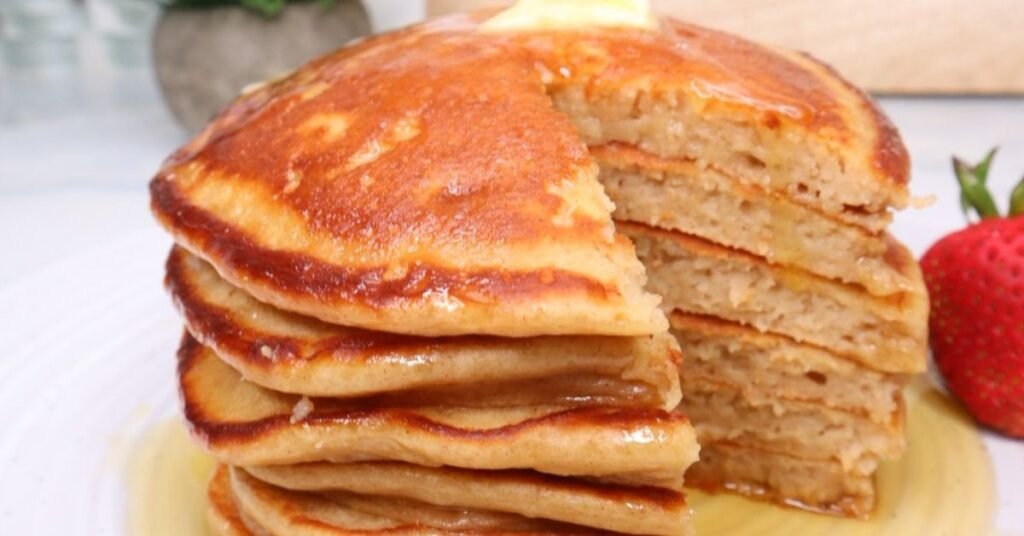
Next, heat a non-stick pan over medium heat and lightly grease it. Pour small amounts of batter onto the pan and cook until bubbles appear, then flip and cook the other side.
Finally, place the pancakes on a plate and add your favorite toppings. Fresh berries, sliced banana, Greek yogurt, or a little nut butter can add extra flavor.
Tips for Soft and Fluffy Pancakes
Use a smooth batter and avoid overmixing it. Let the batter rest for a few minutes before cooking, and keep the pan at medium heat for even results.
- Do not overmix: Mix until the ingredients just combine.
- Use fresh ingredients: Fresh baking powder helps the pancakes rise.
- Keep the heat moderate: High heat can burn the outside quickly.
- Flip once: Turn the pancake when small bubbles appear on top.
- Do not press them: Pressing can remove the air and make them flat.
Best Protein Sources to Add
Choose Greek yogurt for a creamy texture and extra protein. Eggs also work well because they help bind the batter while adding useful nutrients.
Cottage cheese can make pancakes soft and moist. You can also add protein powder to increase the protein content without changing the recipe too much.
For extra variety, try peanut butter or other nut butters as a topping. However, use balanced portions to keep the pancakes tasty without making them too heavy.
Healthy Toppings and Flavor Ideas
Add fresh berries, sliced bananas, or apples for natural sweetness and a fresh taste. Greek yogurt can also add a creamy texture while increasing the protein content.
For more flavor, spread a small amount of nut butter or drizzle some honey over the pancakes. You can also add cinnamon, chia seeds, or chopped nuts for extra texture.
Easy High Protein Pancake Variations
Try banana pancakes by adding a mashed ripe banana to the batter. The banana adds natural sweetness and keeps the pancakes soft.
For a chocolate version, mix in unsweetened cocoa powder and a few dark chocolate chips. You can also add berries for a fresh and slightly sweet flavor.
For a simple savory option, skip the sweet toppings and add herbs with a little cheese. Serve these pancakes with eggs or vegetables for a satisfying breakfast.
Common Mistakes to Avoid
Making pancakes is simple, but a few small mistakes can affect the texture and taste. Use the right amounts and cook them gently for better results.
- Overmixing the batter: It can make pancakes tough.
- Using high heat: This may burn the outside.
- Making them too large: Large pancakes can cook unevenly.
- Flipping too often: Turn them once when bubbles appear.
- Adding too much protein powder: It can make pancakes dry and dense.
How to Store and Reheat Pancakes
Let the pancakes cool completely before storing them. Place them in an airtight container and keep them in the refrigerator for up to a few days.
For longer storage, freeze the pancakes in a sealed freezer bag. Place parchment paper between each pancake to prevent them from sticking together.
To reheat, use a microwave, toaster, or pan over low heat. Warm them gently so they stay soft and moist without becoming dry.
Meal Prep and Make-Ahead Tips
Prepare the batter or cook the pancakes ahead of time to save effort on busy mornings. Store cooked pancakes in an airtight container and separate each layer with parchment paper.
For easy meal prep, make several portions at once and freeze them properly. Then, reheat only the amount you need and add fresh toppings before serving.
Who Can Enjoy Protein-Rich Pancakes?
Protein-rich pancakes can suit busy adults, students, and families who want a filling breakfast. They offer a simple way to add protein to a morning meal.
They can also work well for people who enjoy active lifestyles and need convenient breakfast options. Add fruit, yogurt, or nuts to create a more balanced plate.
However, everyone has different nutrition needs and food preferences. Choose ingredients that suit your diet, and check labels carefully if you have food allergies or specific dietary restrictions.
Nutrition and Portion Guide
The nutrition of high-protein pancakes depends on the ingredients and serving size. Eggs, Greek yogurt, oats, and protein powder can increase protein while also adding other nutrients.
A practical serving is usually a small stack of pancakes with fresh fruit or yogurt. Check your ingredient labels and adjust the portion to fit your daily nutrition needs.
High Protein Pancakes Comparison Table
Different pancake options can provide different amounts of protein, fiber, and calories. The table below gives a simple comparison to help you choose an option that fits your breakfast needs.
| Pancake Type | Main Protein Source | Best For |
| Greek Yogurt Pancakes | Greek yogurt | Soft texture |
| Oat Pancakes | Oats + eggs | More fiber |
| Cottage Cheese Pancakes | Cottage cheese + eggs | Higher protein |
| Protein Powder Pancakes | Protein powder | Extra protein |
| Banana Protein Pancakes | Eggs + protein powder | Natural sweetness |
These options can fit different tastes and meal plans. For a balanced breakfast, serve your pancakes with fresh fruit, yogurt, or a small amount of nut butter.
Final Tips for a Better Breakfast
Keep your breakfast simple, balanced, and enjoyable. Choose fresh ingredients and combine protein with fruit, whole grains, or healthy toppings for a more satisfying meal.
- Plan ahead: Prepare pancakes in advance for busy mornings.
- Choose fresh toppings: Add berries, bananas, or yogurt.
- Watch portions: Serve an amount that suits your needs.
- Try different flavors: Use cinnamon, cocoa, or nuts for variety.
FAQs
1. Are high protein pancakes healthy?
They can be a balanced breakfast when made with nutritious ingredients like eggs, oats, and Greek yogurt.
2. Can I make high protein pancakes without protein powder?
Yes. Eggs, Greek yogurt, cottage cheese, and oats can provide plenty of protein without using protein powder.
3. How do I keep protein pancakes fluffy?
Avoid overmixing the batter and cook the pancakes over medium heat. This helps them stay soft and light.
4. Can I freeze high protein pancakes?
Yes. Let them cool completely, then store them in a sealed freezer bag with parchment paper between each pancake.
5. What are the best toppings for protein pancakes?
Fresh berries, banana, Greek yogurt, nuts, and a small amount of nut butter make tasty and nutritious toppings.