
Healthy vegan food is made from plant-based ingredients like vegetables, fruits, whole grains, beans, nuts, and seeds. It gives your body important nutrients without using meat, dairy, or eggs. A balanced vegan diet can support good health when you choose a variety of foods.
Many people choose vegan food to improve their health, protect animals, or reduce their impact on the environment. With so many tasty recipes available, eating plant-based has become easier than ever. You can enjoy delicious meals while meeting your daily nutrition needs.
This guide shares healthy vegan food choices that fit into a balanced diet. You will learn which foods to eat, simple meal ideas, and helpful tips for everyday eating. These ideas can help beginners and experienced vegans alike.
Why Choose a Plant-Based Diet
A plant-based diet gives your body many healthy foods every day. It includes vegetables, fruits, whole grains, beans, nuts, and seeds. These foods provide natural vitamins and minerals.
Many people choose this way of eating because it supports good health. It can also help maintain a healthy weight and improve daily energy. As a result, many people feel more active.
A balanced plant-based diet adds variety to every meal. Different foods work together to provide important nutrients. Therefore, eating a mix of foods is a smart choice.
You do not need complicated recipes to eat well. Simple meals with fresh ingredients can taste great and keep you satisfied. Over time, these healthy habits become part of your daily routine.
Key Nutrients
Your body needs protein, iron, calcium, vitamin B12, vitamin D, and omega-3 fats to stay healthy. These nutrients support your muscles, bones, brain, and immune system. Therefore, include different foods in your daily meals.
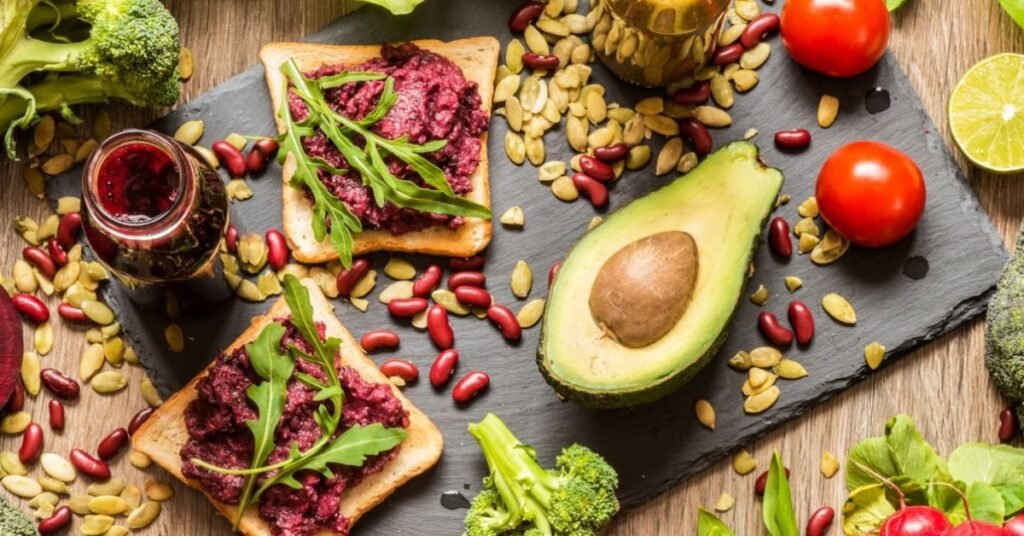
Beans, lentils, tofu, whole grains, leafy greens, nuts, and seeds provide many important nutrients. Fortified plant-based products can also help you meet your daily needs. As a result, your diet becomes more balanced and nutritious.
Plan your meals with a variety of colorful foods instead of eating the same items every day. This simple habit improves nutrition and keeps meals interesting. Over time, your body benefits from a well-balanced eating pattern.
Health Benefits
A balanced plant-based diet can support your overall health. It may help improve heart health, support healthy digestion, and maintain a healthy weight. In addition, fresh and whole foods provide steady energy throughout the day.
Some common benefits include:
- Supports a healthy heart.
- Improves digestion with more fiber.
- Helps maintain a healthy body weight.
- Provides vitamins and minerals from natural foods.
- Increases daily energy and supports overall wellness.
Vegan Food
Vegan food includes meals made only from plant-based ingredients. It does not contain meat, fish, dairy, eggs, or other animal products. Instead, it focuses on fresh and natural foods.
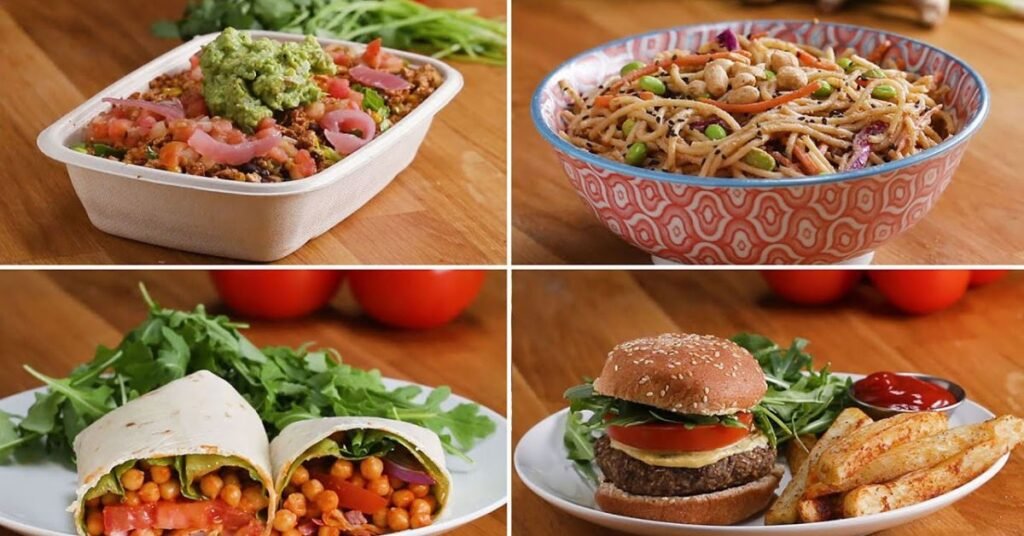
You can prepare delicious meals with vegetables, fruits, beans, lentils, whole grains, nuts, and seeds. These ingredients add flavor, color, and nutrition to every plate. As a result, meals stay both healthy and satisfying.
A balanced menu offers plenty of variety throughout the week. Try different recipes and seasonal produce to keep your meals interesting. Therefore, you can enjoy healthy eating without getting bored.
Simple planning makes daily cooking much easier. Prepare ingredients in advance and keep healthy snacks ready to save time. Over time, these habits help you enjoy vegan food every day.
Protein Sources
Protein helps build muscles and supports your body’s daily functions. You can get plenty of protein from plant-based foods. Therefore, include different protein-rich foods in your meals.
Good plant-based protein sources include:
- Lentils
- Chickpeas
- Beans
- Tofu
- Tempeh
- Edamame
- Quinoa
- Peanuts and peanut butter
- Almonds and other nuts
- Pumpkin and chia seeds
Healthy Grains
Whole grains provide fiber, vitamins, and lasting energy. They also help you feel full for a longer time. Therefore, include them in your daily meals.
Brown rice, oats, quinoa, and whole wheat are excellent choices. These grains pair well with vegetables, beans, and salads. As a result, every meal becomes more filling.
Try different grains during the week to enjoy more variety. Each grain offers its own taste and texture. This habit also makes your meals more interesting.
Cook grains in batches to save time during busy days. Store them in the fridge and use them in different recipes. Over time, this simple step makes healthy eating easier.
Fresh Vegetables
Fresh vegetables add color, flavor, and important nutrients to every meal. They are rich in vitamins, minerals, and fiber. Therefore, eat a variety of vegetables each day.
Leafy greens, carrots, broccoli, peppers, and tomatoes are great choices. They work well in salads, soups, and stir-fries. As a result, your meals become more nutritious.
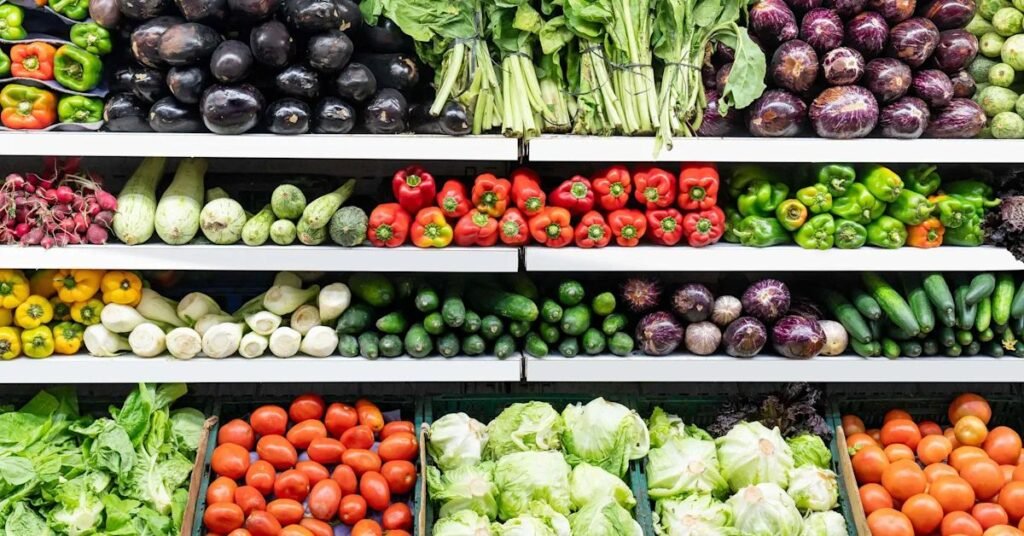
Choose seasonal vegetables whenever possible. They often taste better and stay fresh for longer. This simple habit also adds more variety to your diet.
Wash and cut vegetables before storing them in the fridge. This makes meal preparation faster and easier. Over time, you will enjoy eating more fresh vegetables every day.
Fruits and Berries
Fruits and berries add natural sweetness and fresh flavor to your meals. They also provide vitamins, antioxidants, and fiber. As a result, they support your overall health and keep snacks enjoyable.
Enjoy apples, bananas, oranges, strawberries, blueberries, or raspberries throughout the week. You can add them to smoothies, oatmeal, or salads. Therefore, eating a variety of fruits helps you get different nutrients.
Nuts and Seeds
Nuts and seeds provide healthy fats, protein, fiber, and important minerals. They also add a crunchy texture to many meals. Therefore, enjoy them in moderate portions every day.
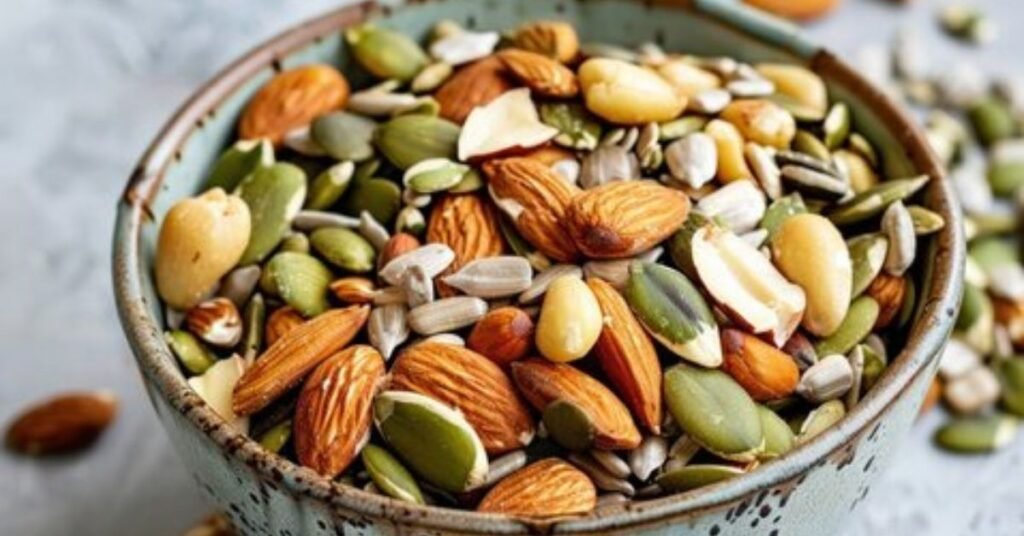
Almonds, walnuts, chia seeds, flaxseeds, pumpkin seeds, and sunflower seeds are all great choices. Add them to salads, oatmeal, smoothies, or yogurt alternatives for extra nutrition. As a result, your meals become more filling and balanced.
Daily Meal Plan
Start your day with a healthy breakfast. Oatmeal with fruit and nuts is a simple choice. It gives you energy for the morning.
Choose a balanced lunch with whole grains, beans, and fresh vegetables. Add a side salad for extra fiber and nutrients. As a result, you stay full for longer.
Enjoy a light and nutritious dinner with lentils, tofu, or chickpeas. Pair them with brown rice or quinoa and steamed vegetables. Therefore, your meal stays balanced and satisfying.
Keep healthy snacks ready between meals if you feel hungry. Fresh fruit, mixed nuts, or roasted chickpeas are easy options. This simple plan helps you eat well every day.
Smart Grocery Shopping
Make a shopping list before you visit the store. Buy fresh vegetables, fruits, whole grains, beans, nuts, and seeds first. Therefore, you can avoid unnecessary purchases and save money.
Read food labels carefully and choose products with simple ingredients. Pick seasonal produce whenever possible because it is often fresher and more affordable. As a result, you can build healthy meals with quality ingredients.
Common Mistakes
Many people make small mistakes when changing to a plant-based diet. Skipping meal planning or eating the same foods every day can reduce nutrient variety. Therefore, choose different foods to keep your meals balanced.
Avoid these common mistakes:
- Skipping protein-rich foods.
- Eating too many processed snacks.
- Forgetting foods rich in vitamin B12 and iron.
- Drinking too little water.
- Not including enough fruits and vegetables.
- Ignoring portion sizes.
Easy Cooking Tips
Plan your meals before the week begins. Prepare vegetables and grains in advance to save time. As a result, cooking becomes quicker and easier.
Use fresh herbs, spices, garlic, and lemon juice to add natural flavor. These simple ingredients make every meal more enjoyable. Therefore, you do not need heavy sauces.
Cook with simple methods like steaming, baking, grilling, or stir-frying. These methods help keep the natural taste and nutrients in your food. They also make cleanup easier.
Try one new recipe every week to keep your meals interesting. Small changes can improve your cooking skills over time. Soon, preparing vegan food at home will feel easy and enjoyable.
Food Comparison Table
Different plant-based foods offer different nutrients and benefits. Therefore, eating a variety of foods helps you build balanced meals. The table below shows some simple comparisons.
| Food | Main Nutrient | Best For |
| Lentils | Protein & Iron | Lunch and dinner |
| Tofu | Protein & Calcium | Stir-fries and curries |
| Brown Rice | Fiber & Carbohydrates | Energy and fullness |
| Spinach | Iron & Vitamins | Salads and cooked dishes |
| Almonds | Healthy Fats & Protein | Healthy snacks |
| Blueberries | Antioxidants & Vitamin C | Breakfast and desserts |
A balanced plate includes foods from different groups instead of relying on just one ingredient. As a result, you can enjoy better nutrition, more flavor, and a healthier daily eating routine.
Wrap Up
Choosing healthy plant-based meals can be simple and enjoyable. Eat a variety of whole foods, plan your meals, and make smart food choices. These small steps can support a balanced and healthy lifestyle.
Start with easy recipes and add new foods as you gain confidence. Stay consistent and enjoy the journey one meal at a time. With good planning, vegan food can become a delicious and nutritious part of your daily routine.
FAQs
1. Is vegan food healthy for everyday eating?
Yes. A well-planned diet with a variety of plant-based foods can provide the nutrients your body needs.
2. How can I get enough protein from vegan food?
You can eat beans, lentils, tofu, tempeh, chickpeas, quinoa, nuts, and seeds to meet your protein needs.
3. Can beginners easily follow a vegan diet?
Yes. Start with simple recipes, plan your meals, and gradually add more plant-based foods to your routine.
4. What snacks are good for a plant-based diet?
Fresh fruit, mixed nuts, roasted chickpeas, vegetable sticks, and hummus are healthy and easy snack options.
5. How do I keep my meals balanced?
Include whole grains, vegetables, fruits, protein-rich foods, and healthy fats in your daily meals for better nutrition.