
Fish food is specially made to give aquarium fish the nutrients they need. Different fish need different types of food based on their size, species, and eating habits. Choosing the right fish food helps your fish stay healthy, active, and colorful.
Many fish owners think all fish can eat the same food, but that is not true. The wrong diet can affect growth, weaken the immune system, and reduce your fish’s energy. Learning how to choose the right fish food is one of the best ways to keep your aquarium thriving.
This guide explains the main types of fish food and how to match them with your fish. You will also find helpful feeding tips, common mistakes to avoid, and simple advice for keeping your aquarium healthy.
Why Proper Nutrition Matters for Fish
Fish may not ask for food, but their health depends on what you feed them every day. A balanced diet helps them stay active, grow well, and show their natural colors. Healthy fish are also more enjoyable to watch.
Just like people, fish need different nutrients to stay strong. Good food supports their immune system and helps them recover from stress more easily. It also keeps their fins, scales, and body in better condition.
Every aquarium is different, and every fish has its own feeding needs. Taking a little time to choose the right food can make a big difference over time. Healthy feeding habits lead to healthier fish and a cleaner, happier aquarium.
Understanding Different Types of Fish
Not all fish eat the same kind of food. Some fish enjoy plants, while others need more protein. Knowing what your fish naturally eat makes it much easier to choose the right diet.
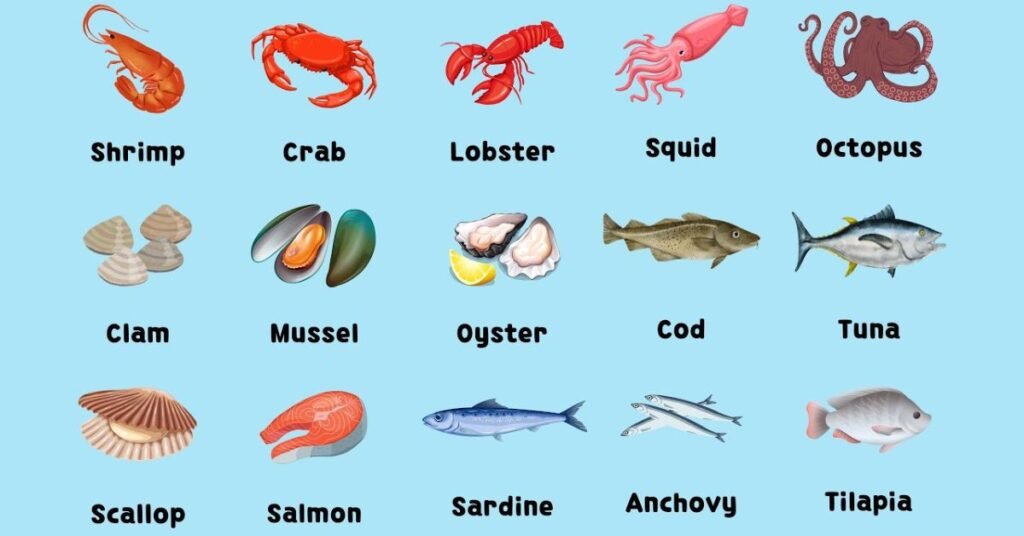
Before buying fish food, learn a little about the species in your aquarium. This small step helps your fish stay healthy and prevents unnecessary feeding problems.
- Herbivores – Eat mostly plants, algae, and vegetables.
- Carnivores – Need a diet rich in insects, worms, or other protein sources.
- Omnivores – Enjoy both plant-based foods and protein, making them the easiest to feed.
- Bottom feeders – Search for food at the bottom of the tank and usually prefer sinking pellets or wafers.
Fish Food for Every Aquarium
Choosing the right fish food is one of the easiest ways to keep your aquarium healthy. Every fish has its own feeding needs, so one type of food does not fit all. The right choice helps fish stay active and grow naturally.
However, the best diet depends on the species, age, and size of your fish. Some fish prefer flakes, while others need pellets or sinking foods. Therefore, matching the food to their natural eating habits gives better results.
In addition, offering a balanced diet keeps fish healthier over time. Quality fish food supports strong growth, bright colors, and daily energy. With the right feeding routine, your aquarium becomes cleaner and your fish thrive.
Main Types of Fish Food
Choosing the right type of fish food is easier when you understand what each option offers. Some foods float on the surface, while others sink to the bottom. The best choice depends on how and where your fish naturally eat.
Instead of picking the first product you see, take a closer look at your fish’s feeding habits. A small change in food can improve their health and make feeding time more enjoyable. The following types are the most common choices for home aquariums.
Now, let’s explore each type of fish food and learn when to use it. These options will help you build a healthy feeding routine for every aquarium.
Flakes
Flake food is often the first choice for aquarium owners because it is easy to feed and suits many common fish. When made with quality ingredients, it provides a balanced diet for everyday care. Fish that feed near the surface usually accept flakes without any trouble.
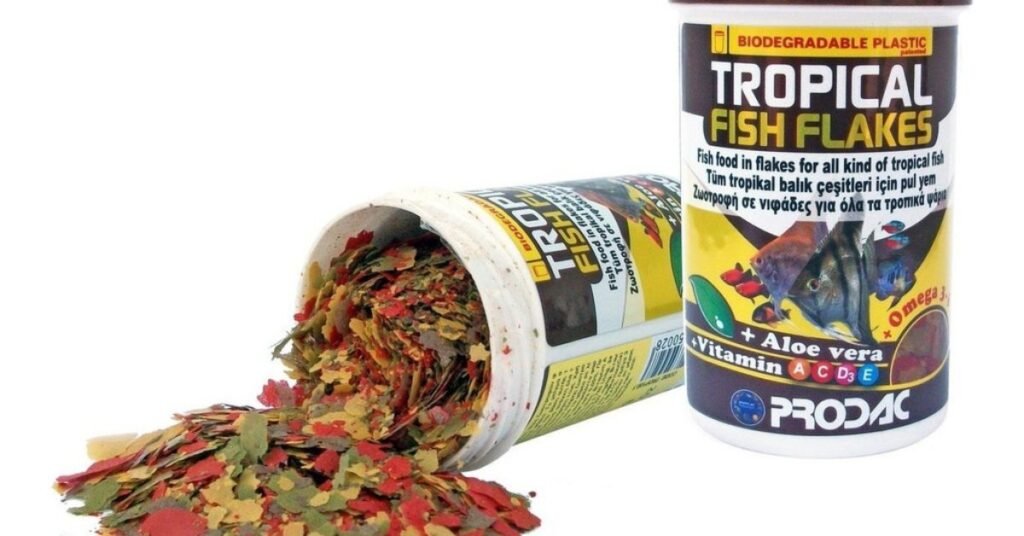
Even so, flakes work best when they are part of a thoughtful feeding routine. Offer a small amount at a time and watch how your fish respond. If some fish are slower eaters or stay near the bottom, combine flakes with another suitable food to make sure every fish gets enough nutrition.
Helpful points:
- Ideal for surface and mid-water fish in community aquariums.
- Choose flakes with protein listed among the first ingredients for better nutrition.
- Crush larger flakes into smaller pieces for young or small fish.
- Store the container in a cool, dry place to keep the nutrients fresh.
Pellets
Pellet food is a great option for fish that need a little more nutrition in every bite. It comes in different sizes, so you can easily match it to the size of your fish. Many pellets are made to hold their shape longer, which gives fish enough time to eat.
Unlike flakes, pellets release into the water more slowly and usually stay firm for longer. This makes feeding easier, especially in busy aquariums where fish eat at different speeds. When you choose a high-quality pellet, your fish receive steady nutrition without creating unnecessary waste.
Helpful points:
- Pick a pellet size that your fish can swallow comfortably.
- Use floating pellets for top-feeding fish.
- Choose sinking pellets for bottom-dwelling species.
- Feed small portions to help keep the aquarium water clean.
Wafers
Wafers are specially made for fish that spend most of their time near the bottom of the aquarium. Since they sink quickly, bottom feeders can eat comfortably without competing with surface fish. As a result, feeding becomes more natural for every species.
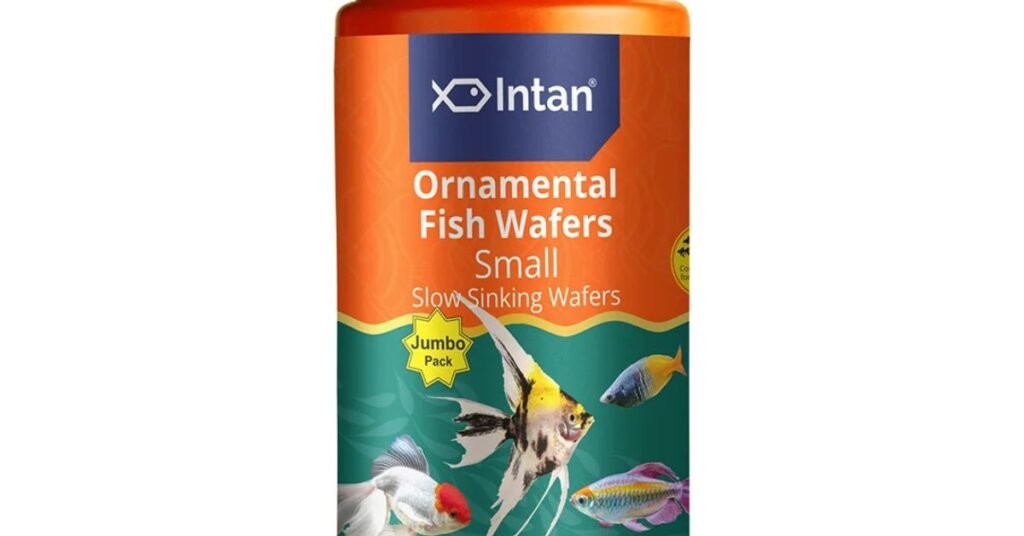
In addition, wafers stay firm in the water for a longer time. This gives catfish, loaches, and other slow feeders enough time to finish their meal. Therefore, they are a practical choice for community tanks.
For the best results, offer only the amount your fish can eat within a reasonable time. Then remove any leftovers to help maintain clean water and a healthy aquarium. A simple feeding routine keeps both your fish and tank in good condition.
frozen food
Frozen food is a great choice for many tropical and carnivorous fish because it closely matches their natural diet. It adds variety to their meals and encourages a healthy feeding response. However, thaw the food before feeding and offer small portions to avoid waste.
freeze-dried food
Freeze-dried food is a simple way to give your fish extra protein. It is light, easy to store, and lasts longer than many fresh foods. Many fish enjoy it as an occasional treat.
Also, this type of food keeps much of its nutrition while staying dry. It is a good option when you want to add some variety to your fish’s diet. However, it should not replace a complete daily meal.
For better results, soak freeze-dried food in a little aquarium water before feeding. This makes it easier for fish to eat and digest. Use it in small amounts as part of a balanced feeding routine.
live food
Live food is close to what many fish eat in nature. It encourages natural hunting behavior and keeps fish active during feeding. Many fish also enjoy the fresh taste.
However, always buy live food from a trusted source. Clean and healthy food lowers the risk of disease in your aquarium. Feed small amounts and use it as part of a balanced diet.
Essential Nutrients Every Fish Needs
Healthy fish do not stay healthy by chance. They need the right nutrients every day to grow well, stay active, and keep their natural colors. A balanced diet also helps them handle daily stress more easily.
Every fish food should provide the nutrients your fish need to live a healthy life. Look for quality ingredients instead of fillers whenever possible. The key nutrients include:
- Protein – Supports growth and muscle development.
- Healthy fats – Give fish energy and support normal body functions.
- Vitamins – Help strengthen the immune system and support overall health.
- Minerals – Keep bones, scales, and body functions in good condition.
- Fiber – Helps with healthy digestion, especially for plant-eating fish.
How to Read Fish Food Labels
A fish food label tells you more than just the brand name. It helps you understand what your fish will actually eat. Therefore, reading the label before buying is always a smart choice.
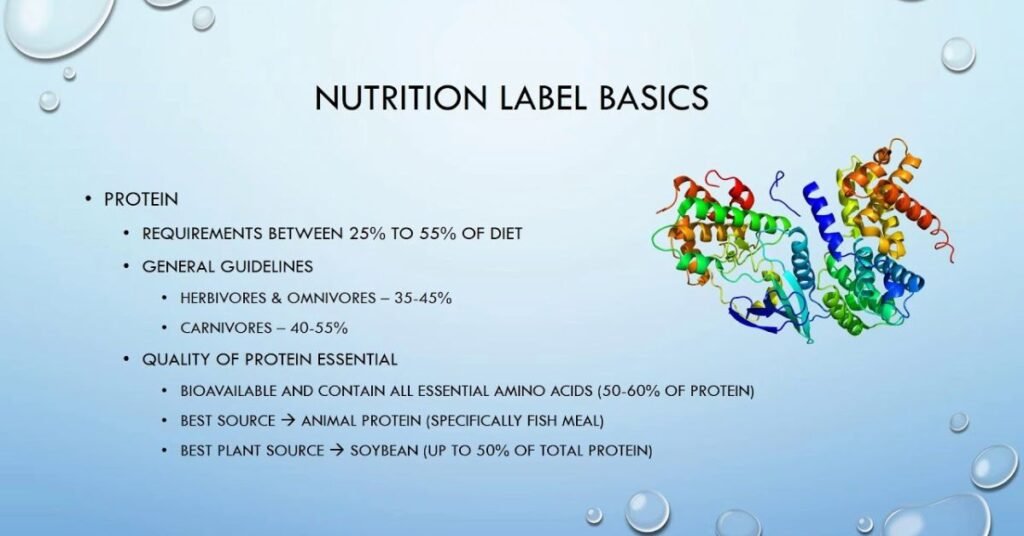
First, check the ingredient list carefully. Protein-rich ingredients should appear near the top because they provide better nutrition. Also, avoid products that contain too many unnecessary fillers.
Finally, look at the expiry date, feeding instructions, and nutrition details. Fresh food keeps more of its nutrients and supports better fish health. As a result, you can choose a product that suits your aquarium with confidence.
Choosing Fish Food by Species
One mistake many beginners make is feeding every fish the same food. It may look fine at first, but different species have different needs. Once you match the food to the fish, you will often notice better growth, brighter colors, and more active behavior.
The easiest way to choose the right food is to understand how your fish eat in nature. Some fish need more protein, while others do better with plant-based ingredients. A few minutes of research can save you from many feeding problems later.
- Betta fish – Need a high-protein diet with small floating pellets.
- Goldfish – Prefer a balanced diet with plant-based ingredients and quality pellets.
- Tropical fish – Usually do well on flakes or small pellets with balanced nutrition.
- Cichlids – Need food made for their size and eating habits.
- Catfish and plecos – Eat sinking wafers or pellets that reach the bottom.
- Shrimp and snails – Enjoy algae wafers and foods rich in plant ingredients.
Feeding Schedule and Portion Sizes
A good feeding routine keeps your fish healthy and your aquarium cleaner. Feed your fish at the same time each day because they quickly get used to a regular schedule. This simple habit also makes it easier to notice changes in their appetite.
Next, give only a small amount of food that your fish can finish within 2 to 3 minutes. Small portions reduce waste and help keep the water in good condition. If food is left behind, feed a little less next time.
Finally, watch your fish while they eat instead of leaving the tank. Active feeding shows that your fish are comfortable and healthy. With the right schedule and portion size, you can avoid overfeeding and support long-term fish health.
Common Feeding Mistakes to Avoid
Overfeeding is the most common mistake in an aquarium. Extra food settles at the bottom and makes the water dirty. As a result, your fish can become stressed and unhealthy.
Another mistake is giving the same food every day. Fish need a balanced diet, just like other animals. Adding different types of food gives them better nutrition and keeps them active.
Do not feed your fish without watching them eat. Some fish may get too much food, while others get very little. A few minutes of observation helps you adjust the amount and keep every fish healthy.
Signs Your Fish Need a Better Diet
Your fish may need a better diet if they lose their bright colors, eat less, or become less active than usual. Slow growth, weak fins, and frequent health problems can also be warning signs. Changing to a balanced, high-quality diet often helps improve their overall health.
Best Storage Tips for Fish Food
- Store fish food in an airtight container to protect it from air and humidity.
- Keep it in a cool, dark cupboard, not on top of or beside the aquarium where heat and moisture build up.
- Open the container only when you are ready to feed. Closing it quickly helps preserve vitamins and freshness.
- Buy only the amount you can use within 3–6 months after opening. Fresh food provides better nutrition than old stock.
- Never mix new food with old leftovers. Finish the older food first, then refill the container.
- Keep a small feeding container for daily use and leave the main pack sealed. This reduces repeated exposure to air.
- Avoid using wet fingers or wet spoons. Even a little moisture can reduce food quality and encourage mold.
- Check the food every few weeks. If it smells unusual, changes color, or forms hard lumps, replace it immediately.
- Do not leave fish food in direct sunlight or inside a hot car after buying it. Heat can reduce its nutritional value.
- Label the container with the opening date. This simple habit helps you know when it is time to buy a fresh pack.
Homemade vs Commercial Fish Food
Many fish owners wonder which option is better. The truth is, both homemade and commercial fish food have their own benefits. Therefore, the right choice depends on your fish and the time you can spend on feeding.
Homemade food gives you full control over the ingredients. In contrast, commercial fish food offers balanced nutrition and is easy to use every day. For this reason, many aquarium owners use commercial food as the main diet and serve homemade food as an occasional treat.
Instead of choosing only one option, try to give your fish some variety. A balanced feeding routine supports better growth, stronger immunity, and brighter natural colors. In the end, healthy fish depend more on quality nutrition than on whether the food is homemade or store-bought.
Fish Food Comparison
Choosing the right fish food becomes much easier when you compare the most common options. Each type has its own purpose, so the best choice depends on your fish species and feeding habits. A balanced mix often gives the best results.
The table below gives a quick overview of different fish food types. Use it as a simple guide when selecting food for your aquarium.
| Fish Food Type | Best For | Main Benefit |
| Flakes | Surface and community fish | Easy daily feeding |
| Pellets | Medium and large fish | Balanced nutrition |
| Wafers | Bottom feeders | Sinks quickly and stays firm |
| Frozen Food | Carnivorous and tropical fish | Natural source of protein |
| Freeze-Dried Food | Most aquarium fish | Adds variety to the diet |
| Live Food | Predatory and active fish | Encourages natural feeding behavior |
Wrap Up
Choosing the right fish food is one of the best things you can do for your aquarium. Good nutrition keeps fish healthy, active, and full of natural color. A little care today can make a big difference over time.
Keep learning about the needs of your fish and adjust their diet when needed. Feed the right amount, choose quality food, and keep a regular feeding routine. Your fish will reward you with better health and a more beautiful aquarium.