
Egyptian food is a flavorful part of Egypt’s culture and history. It includes simple meals, tasty snacks, fresh ingredients, and sweet traditional desserts.
From the first bite, Egyptian dishes can surprise you with their rich flavors and comforting taste. Many recipes use beans, rice, vegetables, bread, herbs, and warm spices.
In this guide, we will explore some of the best Egyptian food to try. You will discover traditional meals, popular snacks, and delicious desserts that show the unique taste of Egyptian cuisine.
What Makes Egyptian Cuisine Unique?
Egyptian cuisine uses simple ingredients to create rich and filling meals. Beans, lentils, rice, bread, vegetables, garlic, and spices play an important role in many traditional dishes.
Moreover, Egypt’s long history and Nile Valley have shaped its food culture. Over time, different cultures added new ideas while Egyptians kept their own traditional cooking methods.
Another special feature is its simple and comforting taste. Popular dishes such as koshari, ful medames, and ta’ameya show how everyday ingredients can make delicious and satisfying meals.
A Brief History of Egyptian Cuisine
Egyptian cuisine has a history that goes back thousands of years. Ancient Egyptians relied on bread, grains, vegetables, beans, and fish, while the Nile helped support farming and food production.
Over time, different cultures influenced Egyptian cooking. However, Egyptians kept many traditional ingredients and cooking habits while adapting recipes to changing tastes and local resources.
Today, many familiar dishes still reflect this long history. Foods such as ful, molokhia, bread, and koshari show how old food traditions continue in modern Egyptian kitchens.
Essential Ingredients in Egyptian Cooking
Egyptian cooking uses simple and filling ingredients. Beans, lentils, rice, bread, vegetables, and grains form the base of many traditional dishes. Garlic, onions, and warm spices then add more flavor.
Some common ingredients include:
- Fava beans – used in ful medames and ta’ameya.
- Lentils and rice – key ingredients in many hearty meals.
- Baladi bread – a common part of everyday meals.
- Garlic and onions – add a strong, savory taste.
- Cumin and coriander – bring warmth and depth to dishes.
- Tomatoes and eggplant – often appear in sauces, salads, and cooked dishes.
Traditional Egyptian Food Worth Trying
Egypt offers many traditional dishes with simple ingredients and rich flavors. Start with koshari, ful medames, ta’ameya, and molokhia to experience some of the country’s most loved classics.
You can also try hawawshi, mahshi, and feteer for more variety. These dishes bring together grains, vegetables, herbs, meat, and spices in comforting ways.
Koshari, Ful Medames, and Ta’ameya
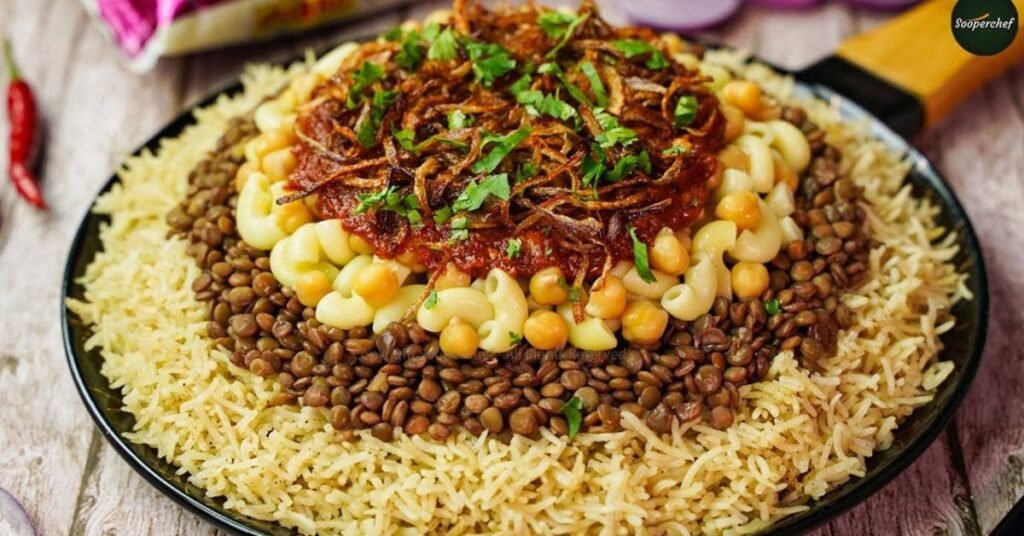
Koshari combines rice, lentils, pasta, tomato sauce, and crispy onions. This filling dish offers a tasty mix of soft and crunchy textures.
Ful medames uses slow-cooked fava beans with garlic, lemon, cumin, and olive oil. People often serve it with warm bread, making it a simple and satisfying meal.
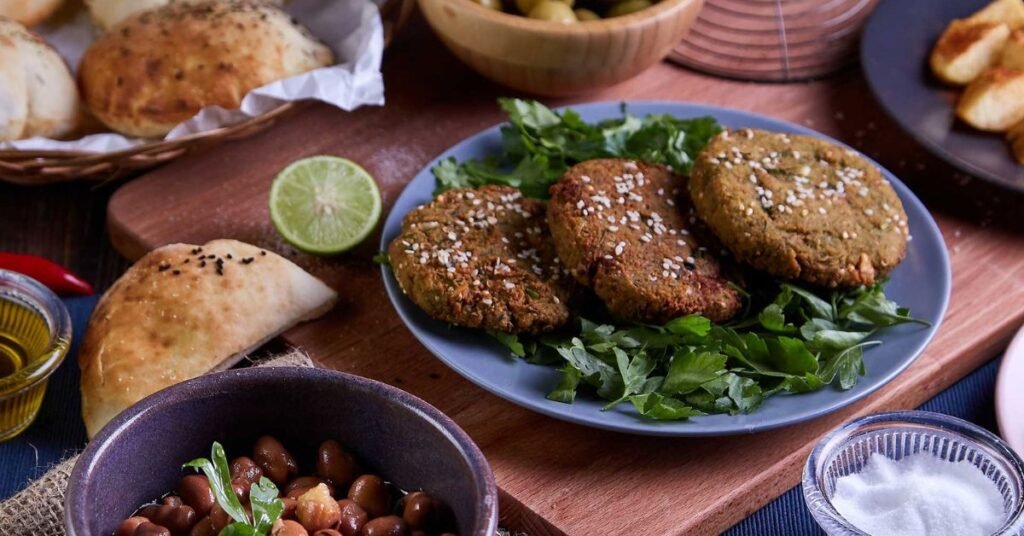
Ta’ameya gives Egyptian falafel a special touch because cooks make it mainly with fava beans instead of chickpeas. Fresh herbs add flavor, while frying creates a crisp outside and soft center.
Hearty Meals for Lunch and Dinner
Egyptian meals often bring together rice, vegetables, meat, and flavorful sauces. Popular choices include molokhia with rice, mahshi, fatta, and grilled kofta.
Moreover, these dishes offer comforting flavors and satisfying portions. Families often serve them with bread, salads, or simple side dishes, making lunch or dinner feel complete.
Egyptian Street Food Favorites
Egyptian street food offers simple, filling, and flavorful choices. Popular options include koshari, ta’ameya, ful medames, and hawawshi, which people enjoy throughout the day.
Some popular street foods include:
- Koshari – Rice, lentils, pasta, tomato sauce, and crispy onions.
- Ta’ameya – Crispy fava bean falafel with fresh herbs.
- Hawawshi – Spiced minced meat baked inside Egyptian bread.
- Feteer – A flaky pastry that can have sweet or savory fillings.
Bread, Rice, and Everyday Staples
Bread and rice form an important part of daily Egyptian meals. Aish baladi, a traditional flatbread, often accompanies beans, vegetables, dips, and stews.
Rice also appears in many popular dishes and side meals. Cooks use it in koshari, stuffed vegetables, and meals served with meat or vegetables.
These staples make meals simple, filling, and practical. Along with beans, lentils, and vegetables, they create a strong base for everyday cooking.
Regional Flavors Across Egypt
Egypt’s food changes as you travel from one region to another. Alexandria is known for fresh seafood, while Upper Egypt and Nubian areas offer hearty dishes with local grains, vegetables, and warming spices.
The Nile Delta also adds its own character through fresh produce and fish. Together, these regional flavors make Egyptian cuisine diverse, colorful, and full of local traditions.
Popular Egyptian Snacks and Side Dishes
Egyptian meals often include small sides and tasty snacks that add freshness and flavor. Fresh salads, tahini, baba ghanoush, and pickled vegetables make simple meals more enjoyable.
You can also try ta’ameya, hawawshi, and ful as filling snack options. These foods use simple ingredients but deliver rich flavors and satisfying textures.
For a balanced plate, pair warm bread with fresh salad, creamy dips, or tangy pickles. These simple additions bring color, crunch, and extra taste to the meal.
Sweet Egyptian Desserts to Try
Egyptian desserts offer rich flavors, creamy textures, and sweet syrups. Popular choices include basbousa, kunafa, and Om Ali, each with its own special taste.

Basbousa uses semolina and sweet syrup, while kunafa combines crisp pastry with creamy or cheesy fillings. These desserts often include nuts, which add a pleasant crunch.
For a warm and comforting treat, try Om Ali, a baked dessert made with pastry, milk, sugar, and nuts. You can also enjoy rice pudding and mahalabia for softer, creamy options.
Traditional Drinks and Refreshments
Egypt offers many refreshing traditional drinks for different seasons and occasions. Karkadeh, made from hibiscus, tastes pleasantly sweet and tangy, while sugarcane juice provides a naturally sweet and cooling choice.
Tea and coffee also hold an important place in daily life. For something warm and creamy, many people enjoy sahlab, especially during cooler weather.
Egyptian Food Comparison Table
Different Egyptian dishes offer different flavors, textures, and meal options. This simple table helps you compare some popular choices and pick dishes that match your taste.
| Dish | Main Ingredients | Taste | Best For |
| Koshari | Rice, lentils, pasta | Tangy and savory | Lunch |
| Ful Medames | Fava beans, lemon, cumin | Mild and hearty | Breakfast |
| Ta’ameya | Fava beans, herbs | Crispy and savory | Snack |
| Molokhia | Jute leaves, garlic, coriander | Herbal and rich | Main meal |
| Hawawshi | Bread, minced meat, spices | Spicy and savory | Quick meal |
| Om Ali | Pastry, milk, nuts | Sweet and creamy | Dessert |
Nutrition and Balanced Choices
Many Egyptian dishes provide beans, lentils, vegetables, grains, and other useful nutrients. These ingredients can add fiber, protein, vitamins, and minerals to everyday meals.
However, balance still matters. Choose more vegetables and legumes, control portions of rice and bread, and limit foods with too much sugar, salt, or added fat.
How to Enjoy Egyptian Cuisine at Home
Start with simple dishes such as koshari, ful medames, or ta’ameya. These recipes use familiar ingredients and let you enjoy traditional flavors without complicated cooking.
Next, keep basic ingredients like rice, lentils, beans, garlic, onions, bread, and spices in your kitchen. Prepare the ingredients fresh and adjust the seasonings to match your taste.
Finally, serve your meal with fresh salad, tahini, pickles, or warm bread. Share the food with family or friends to create a warm and enjoyable dining experience.
FAQs
1. What is the most popular Egyptian dish?
Koshari is one of the most popular dishes. It combines rice, lentils, pasta, tomato sauce, and crispy onions.
2. What do Egyptians commonly eat for breakfast?
Ful medames is a common breakfast choice. People often serve it with bread, vegetables, and simple seasonings.
3. Is Egyptian food spicy?
Most Egyptian dishes are flavorful rather than very spicy. Cumin, garlic, coriander, and other spices add depth without excessive heat.
4. What is ta’ameya made from?
Ta’ameya is an Egyptian-style falafel made mainly from fava beans and fresh herbs. Cooks fry the mixture until it becomes crisp outside.
5. What are some popular Egyptian desserts?
Basbousa, kunafa, and Om Ali are popular choices. They often combine sweet syrup with pastry, milk, semolina, or nuts.
6. What bread do Egyptians commonly eat?
Aish baladi is a traditional Egyptian flatbread. People commonly serve it with beans, dips, vegetables, and main dishes.
7. Can I make Egyptian dishes at home?
Yes, many recipes use simple and affordable ingredients. Start with dishes like ful medames or koshari for an easy introduction.
Wrap Up
Egyptian cuisine brings together simple ingredients, rich flavors, and deep traditions. From koshari and ful medames to ta’ameya and sweet desserts, each dish offers something special.
Overall, exploring these foods gives you a better taste of Egyptian culture and everyday life. Try a few traditional dishes at home, and enjoy their comforting flavors with family and friends.
1 thought on “Authentic Egyptian Food: Explore Egypt’s Most Popular Dishes ”