
Italian desserts are sweet treats that come from Italy. They include creamy puddings, cakes, pastries, cookies, and chilled desserts. Many are made with simple ingredients and rich flavors.
Italian desserts are loved around the world for their delicious taste and beautiful presentation. From creamy tiramisu to crispy cannoli, each dessert offers something special. The best part is that many of them are easy to make at home.
In this guide, we will explore some of the best Italian desserts you can make at home. You will find classic favorites, simple ideas, and helpful tips to make every dessert enjoyable.
What Makes Italian Desserts So Special?
Italian desserts stand out for their simple ingredients and rich flavors. Bakers often combine fresh dairy, fruits, nuts, chocolate, and coffee to create satisfying sweets.
Traditional recipes also reflect Italy’s strong food culture and regional traditions. Each area uses local ingredients and cooking methods, which gives its desserts a distinct character.
Moreover, many Italian desserts balance sweetness with creamy, nutty, or slightly bitter flavors. This balance makes them enjoyable without making them feel overly heavy or complicated.
A Brief History of Italian Sweets
Italian sweets have a long history shaped by different regions and cultures. Over time, local cooks created recipes using ingredients such as honey, nuts, fruits, cheese, and spices.
Many traditional desserts developed through family recipes and local celebrations. As trade expanded, ingredients like sugar, chocolate, and coffee became more common in Italian kitchens.
Today, these classic sweets remain an important part of Italian food culture. Bakers still prepare many recipes with traditional methods while adding simple modern touches.
Popular Ingredients in Italian Desserts
Italian desserts often use simple, fresh ingredients to create rich and balanced flavors. Cooks combine creamy dairy, fresh fruits, nuts, chocolate, and other staples to build different textures and tastes.
Some common ingredients include:
- Mascarpone: Adds a smooth and creamy texture.
- Ricotta: Gives desserts a light, slightly sweet flavor.
- Coffee: Adds a rich and bold taste to classic treats.
- Cocoa and chocolate: Bring deep chocolate flavor and color.
- Almonds and hazelnuts: Add crunch and a nutty taste.
- Lemon and oranges: Provide a fresh citrus flavor.
- Eggs and flour: Help create structure in cakes and pastries.
- Sugar: Adds sweetness and supports the overall flavor balance.
Traditional Italian Desserts to Know
Italy offers many traditional sweets with distinct flavors and textures. Each dessert reflects local ingredients, family traditions, and regional cooking styles.
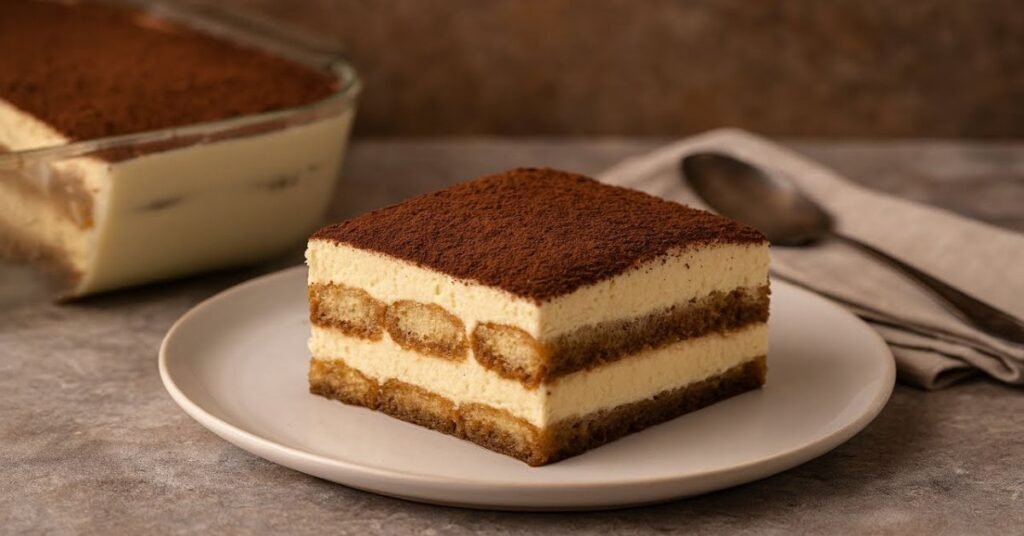
Tiramisu combines coffee-soaked ladyfingers with creamy mascarpone and cocoa. Cannoli uses crisp pastry shells filled with sweet ricotta cream and often includes nuts or chocolate.
Other favorites include panna cotta, panettone, biscotti, and zabaglione. These desserts bring simple ingredients together and make a delicious ending to any meal.
Best Italian Desserts You Can Make at Home
You can make many classic Italian desserts at home with simple ingredients and basic kitchen tools. Tiramisu, panna cotta, biscotti, and cannoli offer easy ways to enjoy rich flavors without complicated techniques.

Start with a recipe that matches your skill level and follow each step carefully. Use fresh ingredients and give the dessert enough time to bake, chill, or set for the best results.
Creamy and Chilled Favorites
Creamy and chilled desserts offer a smooth texture and refreshing taste. They work especially well after a warm meal and often need little baking.
Some popular choices include:
- Tiramisu: Combines mascarpone cream, coffee-soaked ladyfingers, and cocoa.
- Panna Cotta: Uses cream, sugar, and vanilla for a soft, silky dessert.
- Semifreddo: Creates a light frozen treat with a rich and creamy texture.
- Zuccotto: Combines sponge cake with a creamy filling and chilled layers.
Classic Cakes and Baked Treats
Italian baking includes many simple and flavorful cakes. Bakers often use fresh fruit, nuts, chocolate, and citrus to create balanced flavors.
Panettone makes a popular choice during festive seasons. Biscotti also stands out with its crisp texture and pairs well with coffee or tea.
Other baked treats include crostata, torta caprese, and almond cakes. These recipes use basic ingredients but deliver rich flavors and satisfying textures.
Regional Desserts Across Italy
Italy’s dessert traditions change from one region to another. Local cooks use regional ingredients and traditional methods to create unique flavors and textures.
Some well-known regional treats include:
- Sicily: Cannoli and cassata use ricotta, citrus, and nuts.
- Campania: Pastiera combines ricotta, wheat, and fragrant citrus flavors.
- Tuscany: Cantucci offer a crisp almond flavor and pair well with coffee.
- Lombardy: Panettone brings a soft, fruity taste to festive tables.
- Piedmont: Gianduja-based sweets highlight the region’s famous hazelnuts and chocolate.
Simple Ingredients for Better Results
Quality ingredients can make homemade desserts taste fresher and richer. Use fresh eggs, good dairy, quality chocolate, and ripe fruits whenever possible.
Also, measure each ingredient carefully to keep the right texture and flavor. Choose simple, fresh products and avoid unnecessary substitutes when a recipe depends on a specific ingredient.
How to Make Italian Desserts at Home
Start by reading the recipe carefully and preparing all ingredients before you begin. This simple step helps you work smoothly and avoid mistakes.

Follow each cooking or baking step in the correct order. Use accurate measurements and give the dessert enough time to bake, chill, or set.
Finally, focus on texture and presentation before serving. Add a light garnish, such as cocoa, fresh fruit, or chopped nuts, to create an inviting finish.
Common Mistakes to Avoid
Small mistakes can affect the taste, texture, and appearance of homemade desserts. However, you can get better results by following the recipe carefully and using fresh ingredients.
- Skipping measurements: Measure ingredients accurately for consistent results.
- Using poor-quality ingredients: Choose fresh dairy, eggs, fruits, and chocolate.
- Overmixing the batter: Mix gently to keep cakes and pastries light.
- Ignoring chilling time: Let creamy desserts set properly before serving.
- Overbaking: Check desserts on time to prevent a dry texture.
- Serving too quickly: Allow baked or chilled desserts to reach the right texture first.
Serving and Presentation Ideas
Serve desserts at the right temperature to bring out their best flavor and texture. Chilled treats taste better when they are set properly, while baked sweets often work well, slightly warm or at room temperature.
Use simple garnishes to make each dessert look more inviting. Add cocoa powder, fresh fruit, nuts, or a light dusting of powdered sugar for an elegant finish.
Choose clean plates and keep the presentation simple. Finally, serve each dessert in a suitable portion to create a balanced and appealing experience.
Italian Desserts Comparison Table
Different Italian sweets offer different flavors, textures, and preparation methods. This simple table helps you compare popular choices and choose one that suits your taste and skill level.
| Dessert | Main Flavor | Texture | Difficulty |
| Tiramisu | Coffee & Cocoa | Creamy & Soft | Easy |
| Panna Cotta | Vanilla & Cream | Silky & Smooth | Easy |
| Cannoli | Ricotta & Citrus | Crisp & Creamy | Medium |
| Biscotti | Almond & Sweet | Crisp | Easy |
| Panettone | Fruit & Citrus | Soft & Light | Medium |
These desserts suit different occasions and preferences. Choose a simple option for everyday treats, or try a more detailed recipe when you want to impress guests.
How to Store and Keep Desserts Fresh
Store each dessert according to its ingredients and texture. Keep cream-based and dairy desserts covered in the refrigerator to maintain freshness and quality.
Place baked treats in an airtight container at room temperature when appropriate. This method helps protect their texture and keeps them from drying out.
For longer storage, freeze suitable desserts in well-sealed containers or freezer-safe bags. Always check the recipe before freezing, as some creamy toppings and delicate fillings may change texture.
Final Thoughts on Italian Sweets
Italian sweets bring simple ingredients, rich flavors, and traditional charm to the table. From creamy treats to crisp baked goods, each dessert offers a unique taste and texture.
You can easily enjoy these classic treats at home with the right ingredients and simple techniques. Start with an easy recipe, follow the steps carefully, and enjoy a delicious taste of Italy.